Human Behaviour & AI Interaction Research
A research environment designed to study how AI systems should behave when interacting with humans.
Across a range of real-world environments, the Lab generates behavioural signals that help train and validate the SOHMA emotional intelligence layer.

Studying AI Behaviour in Human Interaction
The SOHMA Lab is not a standalone product. It is a research environment designed to generate behavioural interaction signals that help train emotionally intelligent AI systems.
By observing how people respond to different forms of pressure - cognitive, emotional, social, and real-time - the Lab helps answer a critical question: how should AI systems respond when interacting with humans.
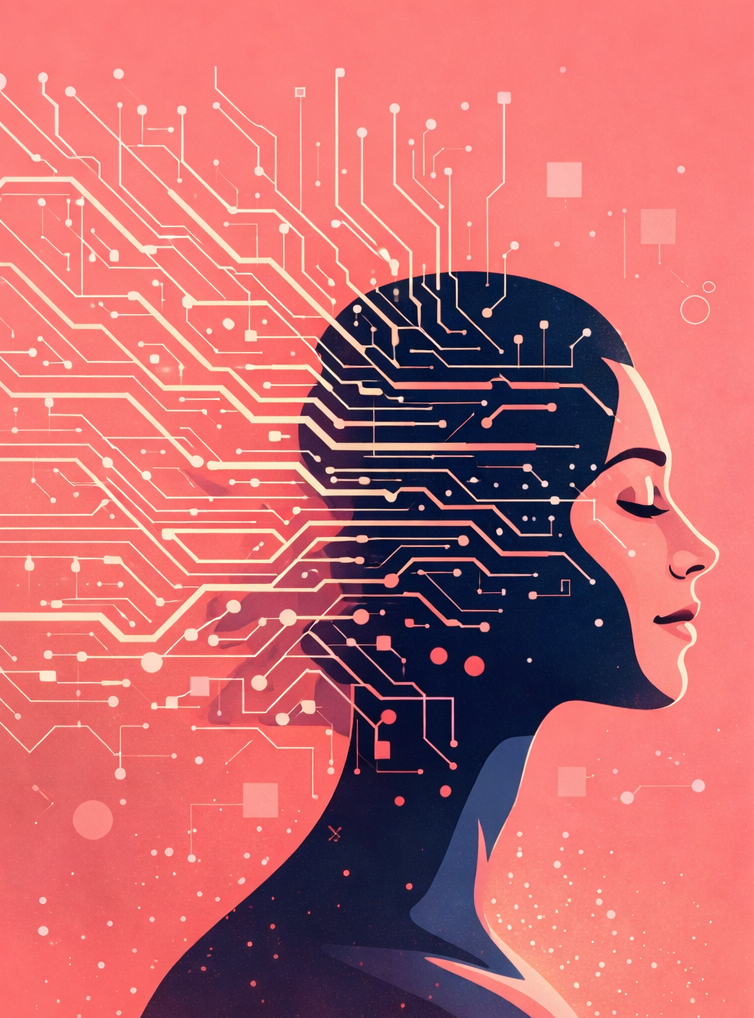
What should an AI system do when a human experiences uncertainty, emotional change, or begins to build a relationship with an AI system?
Studying Human Behaviour Across Interaction Contexts
Real-Time Pressure
Fast-paced gameplay produces high-frequency interaction signals such as retries, frustration loops, disengagement patterns, and recovery behaviour under real-time pressure.
Cognitive Pressure
Educational environments reveal how people respond to challenge, confusion, and cognitive overload during problem-solving and learning tasks.
Emotional Pressure
Wellbeing environments help study emotional regulation, escalation patterns, and stabilisation behaviour over time.
Social Pressure
Interview practice and difficult conversation scenarios reveal hesitation, response pacing, reformulation behaviour, and recovery under social pressure.
Why These Environments Matter Together
Each environment produces different behavioural signals. Together they allow the SOHMA Lab to observe how humans regulate behaviour across multiple interaction contexts.
These signals help train and validate the SOHMA emotional intelligence layer, enabling AI systems to respond more appropriately to human behaviour across digital environments.
Interested in collaborating with the SOHMA Lab?
